Subject, Audience & Purpose
Intro
In this Proposal, I will be presenting my idea for a final piece of work I will be delivering later on in this academic year. In these blog posts I will be navigating through different aspects of the workload and will be outlining and explaining the different thought processes I will be using in my expectations for the final product. Initially I will provide an overall explanation into what I am presenting, the target audience and the purpose of the product. Once that has been provided, I will then move onto the research undertaken where I will provide a contextual understanding which will lead the reader into a visual overview of what I intend to produce, before finalising with an explanation of my planning process and how I will manage my time to deliver this final piece.
Subject
For my final piece I have decided to create and design a working board game with the intention of being able to be manufactured and produced post education. The board game i will be presenting is going to be a semi-cooperative, One to Five player game called The Journey*. The Journey is to be designed as a fantasy themed role playing game that will involve the players travelling across the in game world at the guide of a Game Master. Utilising tiles, cards, game pieces, boards, and dice, the players will go on a journey of self discovery and become the heroes or villains they want to be.
During my education I was reminded regularly to have an idea of what could be done for a final project. In my experience, I have attended university to learn the knowledge and skills required to be able to pursue a career in board game design with long term goals to own my own publishing company. With that in mind it felt natural to pursue a project which would allow me to focus everything I have learned over the years into something I feel passionate about. During the selection process for the final project we were instructed to present a couple ideas, to serve as backup and to provide room for discussion into finding each other’s perfect project. I provided this board game idea and another for a geolocation application designed for universities and schools. While meeting each week we would partake in group discussions around each persons’ idea; during one such meeting we involved ourselves in teamwork which provided me more insight and resolution into what I should be presenting as my final project. This proved to be useful in helping me guide my direction.
Audience
While delivering a product like this, with it being a board game, it inherently narrows the target audience. The type of gaming experience this game will aim to provide would be vastly different to someone who is familiar with board games such as Monopoly ™ or Connect Four ™. The Journey should be compared to the genre of board games referred to as ‘Legacy Games’; Board Game Geek (N.D) defines legacy games as board games whose components,rules and state changes over time based on player outcome and decisions, oftentime making physical changes to the board which oftentime result in permanent changes with a key quirk being that these games are only able to be played once. One of the core concepts behind the game is to provide that feeling of teamwork, cooperation, accomplishment and satisfaction through storytelling, alongside I want to keep an openness to the accessibility of the product, and will need to focus on how to provide an inclusive experience throughout.
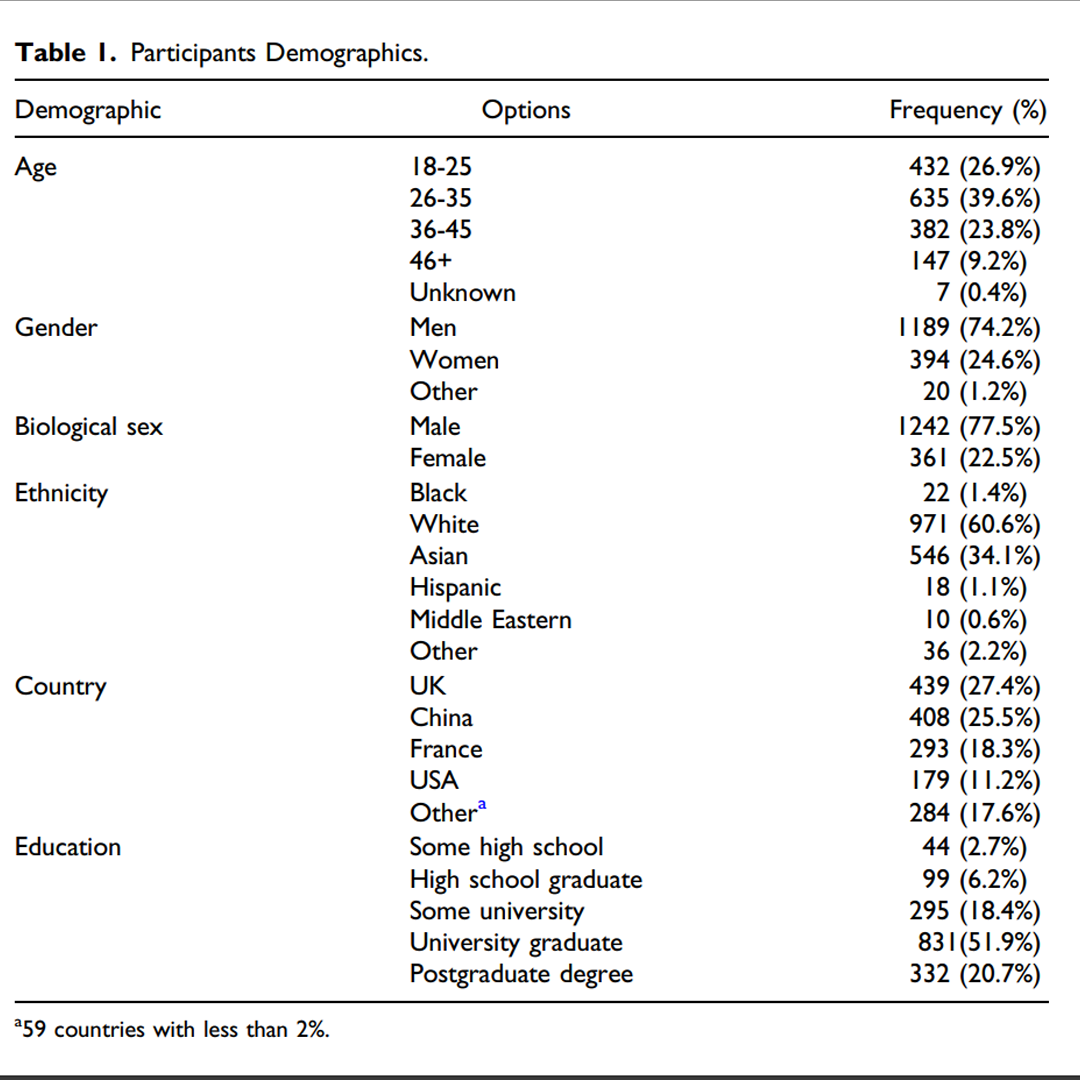
Single time use games of this calibre can be quite an expensive endeavour so to move around that, by providing reusable assets and online accompaniments I can reduce that external cost for the audience. In a research article, published by Sage, Cross et al (2023) conducted a study into the demographics, preference, and motivations of fans of board games. In their study they found that a majority of board gamers are made up of white males aged 18-35 years old with a preference for in person play sessions of approximately three to four hours. Using this data as a foundation it seems that aiming for this age bracket will yield the most potential positive responses. To define this target audience further we will aim to provide an inclusive experience to multiple genders and ethnicities to widen the net of the audience. To summarise, the target audience will be board game enthusiasts who have an interest or passion about legacy style games, aged between 18 and 35 years of age.
Purpose
“Games give you a chance to excel, and if you’re playing in good company you don’t even mind if you lose.” Gary Gygax (2004)
The purpose of this choice is to provide a functioning board game that utilises expert design choices and methods to deliver a professional product presentation. I will aim to provide a product that meets the satisfaction levels of its genre while also providing an inclusive and economically viable experience. My focus points for this product will be to eliminate the one time use that is associated with traditional legacy games, to find a path into creating a pseudo genre for this legacy-like game. The second focus will be to increase the range of inclusivity and broaden the audience target; to achieve this I will be approaching an alternative route within one mechanic of the game. The character selection phase during the setup of the game will be approached differently, I will aim to achieve a system that allows the player to completely design their own character. By providing this method I believe that players will be able to inject their own personality into the game and give themself a chance to excel. Another way I plan on achieving another level of inclusivity is to utilise symbols and signs as a primary method of communication for information in the game. A lot of graphic design components will be utilised during this project; I will need to use colour theory to enhance the final design, while utilising the composition of my design process during the tile creations.
The Product
The Journey* is a 1-5 legacy type game, where players will create their own versions of heroes or villains and will be led on a tale through a fantasy world under the guide of a Game Master. Players will make choices, overcome encounters, and share a story together as they undertake; The Journey.