Research
History
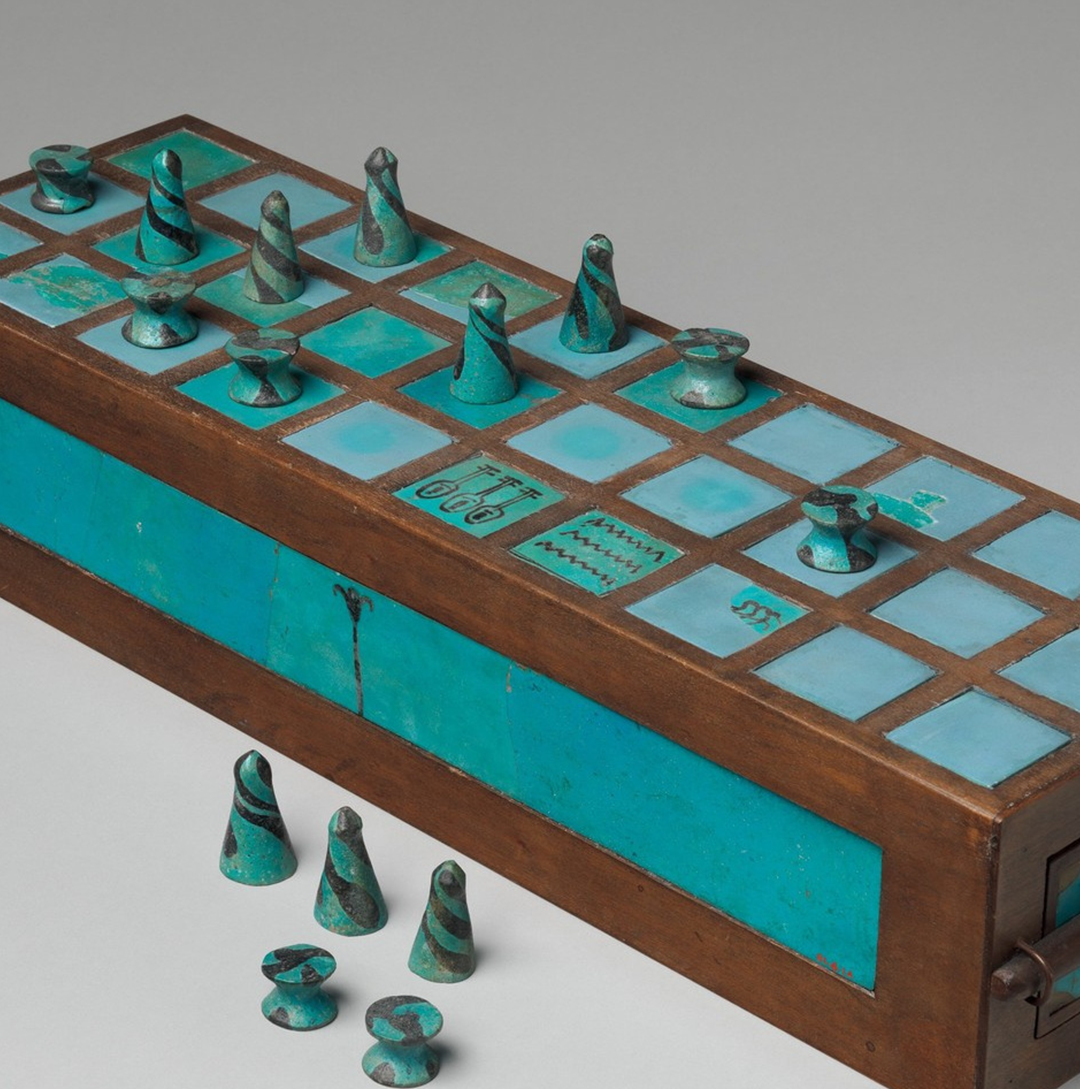
Board games have been a source of entertainment throughout history, with people across the globe finding ways to utilise pieces, boards, and dice to their advantage.The earliest board games date back as far as 3000 BC found after being excavated from egyptian dig sites (Donovan 2018). Throughout history people have looked for ways to entertain themselves, they have used the same mechanics we use today in many features such as boards and pieces. The game of Senet as written by Donovan explains in detail how the game featured in many locations and designs, although the rules are unknown, speculation has provided playable versions today. The evolution of board games extends even further when approaching the 1900s with the introduction of Monopoly into the market. Self-described by the Parker Brothers as “The Fast Dealing Property Trading Game” it marks a key cornerstone into the development of how board games would begin to grow and change as we move into the modern day.
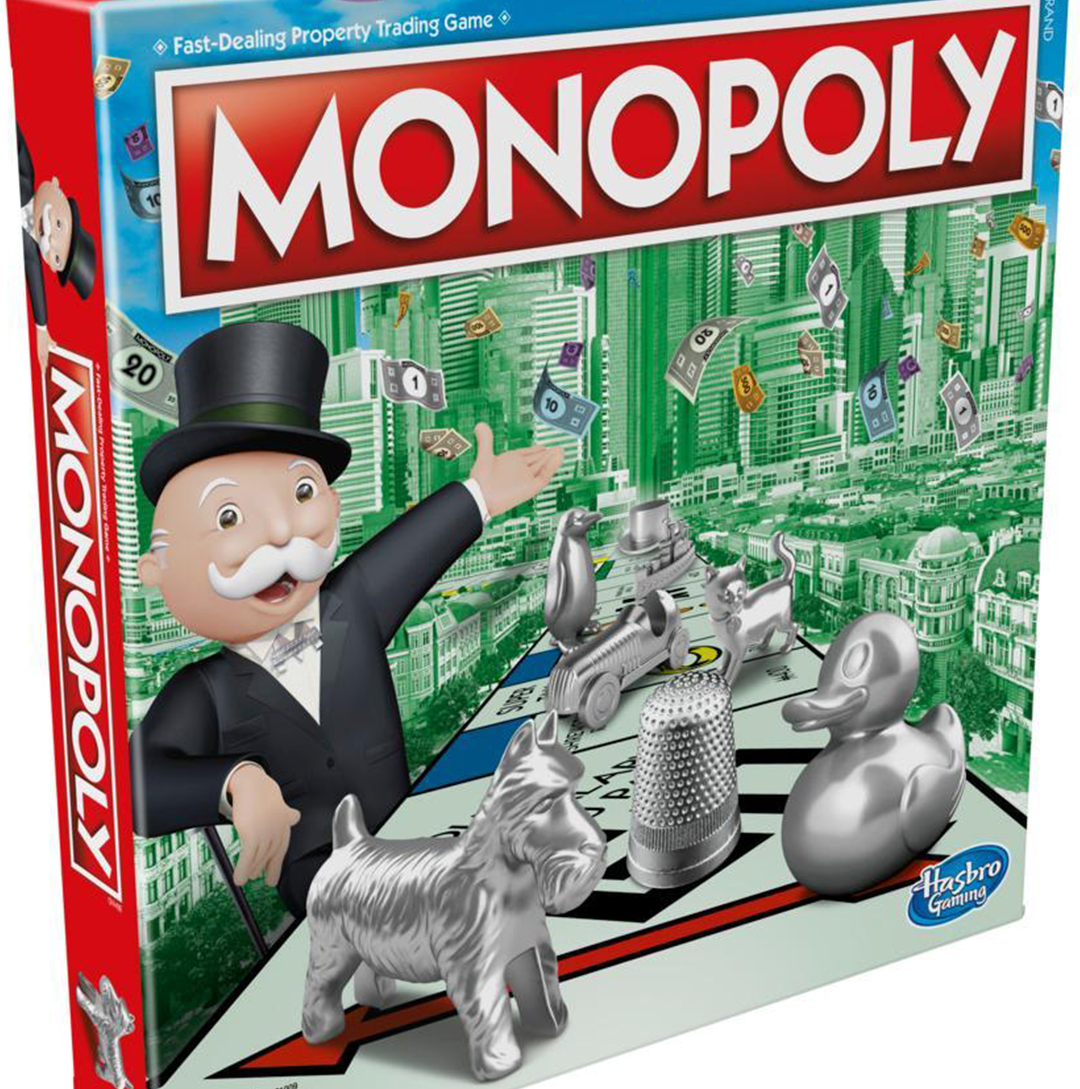
Originally traced back to 1903, American anti-monopolist Elizabeth Magie, created a game known as The Landlord’s Game, intended to be an educational tool to explain the negative aspects of concentrating land in private monopolies (Magie, Et al 1935). It is reasonable to acknowledge the impact Monopoly had on the direction of board games and how they developed which would lead into the introduction and development of another genre of Board games referred to as Eurogames.
Modern Gaming
Woods (2018) summarises the traits of Eurogames, by first explaining that, much like other board games they share similar themes across multiple genres, while the main differences can be seen as the emphasis upon choice from limited actions to result in consequences and having an absence of mechanics to directly facilitate conflict are what makeup that of the genre. While going on to write the clear tendency to prioritise innovative mechanics in place of theme. Other genres that found themselves inspired by these Eurogames would often differentiate themselves through other means, while keeping a core ethos of the inspiration at heart. Efficiently described in a Youtube video by Laurie Blake (2021) Legacy games are games played over numerous sessions, and as you play it unlocks permanent changes to the game which affects the next game until the end. This genre of game offers a more personal and immersive experience, by offering a way to permanently affect the game, the players can feel attached to it in a certain way that would normally not be achieved. This evolution of board games suggests the idea that players are fast drawn to more complex interactions within their gaming experience, seeking to obtain a more intense play experience.
Narratives in Board Games
There is an appreciation to notice that the state of board games in modern day has evolved and the narrative capacities of games has seen an increase in demand throughout the years. Analog games have developed narrative potential that can be comparable to that of film and literature, though only achieving this through innovations across the specific medium (Arnaudo 2018). Through this we can acknowledge the appreciation of a narrative experience presented through this format, which is to be considered while undertaking the design of The Journey. As part of the thoughts behind the game are to provide a cooperative meaningful experience, the potential for strong narratives and story crafting will be considered. A study done by Lattu (2014), about the narrative construction in a board game found that the narratives that games can provide are not traditional like in non-participatory media; the story is more freeform and requires more imagination and input from the players, referring to them appropriately as co-authors. This provides an insight into the approach I should take during the construction of the narrative for The Journey.